
License plate renewal requirements vary by region but are crucial for vehicle legality and safety. Key steps include gathering documents like insurance proof, driver's license, registration card/sticker, and understanding local fees and deadlines. Online services offer convenience, with some states allowing same-day renewals. Prompt action is advised to avoid penalties, especially during grace periods. Lost stickers can usually be replaced multiple times within a specified timeframe without significant charges. Efficient renewal methods ensure automotive compliance and minimal hassle.
In today’s fast-paced world, efficient and timely license plate renewals are non-negotiable for every vehicle owner. Promptly adhering to license plate renewal requirements is not just a legal necessity but also a crucial aspect of responsible ownership. Delving into the process, however, can often present challenges—from navigating bureaucratic procedures to waiting in long lines at DMV offices. This article provides an authoritative guide on expediting the license plate renewal process, ensuring you meet all necessary requirements swiftly and efficiently, thus saving you time and effort.
- Understand License Plate Renewal Process
- Gather Necessary Documents for Renewal
- Check Your State's Specific Requirements
- Order New License Plates Online or In-Person
- Verify and Install Your New License Plates Correctly
Understand License Plate Renewal Process

Renewing your license plates is an essential part of vehicle ownership, ensuring your car remains legally registered and roadworthy. Understanding the process is crucial to avoid delays and penalties. The license plate renewal requirements vary by region, but certain steps remain consistent. Firstly, gather all necessary documents, including proof of insurance, a valid driver’s license, and the current registration card or sticker. If you’ve lost your registration sticker or vehicle registration card, a replacement can typically be obtained from your local Department of Motor Vehicles (DMV) office.
In many cases, you can complete the renewal process online, offering a convenient and quick auto tags riverside service. Quick Auto Tags, for instance, provides an efficient solution for online auto registration renewal, allowing customers to take care of their license plate updates remotely. This method not only saves time but also reduces potential mistakes often associated with paper-based processes. Some states may charge additional fees for early renewals or have specific deadlines, so it’s essential to check your local regulations.
If you’ve encountered a situation where your registration has expired, don’t panic; most DMVs offer grace periods before enforcing penalties. However, prompt action is advised to avoid any legal complications. You can usually replace a lost registration sticker or card 1-3 times within a specific timeframe without incurring significant fees. After the grace period, regular renewal procedures apply, ensuring your vehicle remains compliant with local laws and regulations.
Gather Necessary Documents for Renewal

Renewing your license plates is a crucial part of vehicle ownership. To order new plates quickly, understanding the required documents for renewal is essential. In California, the DMV offers both online and in-person renewal options, but for a swift process, many opt for private services like Quick Auto Tags. Their riverside service stands out for its efficiency, ensuring fast tag renewals.
Before initiating the process, gather all necessary documents to streamline the procedure. Typically, this includes your vehicle registration, a valid driver’s license or state ID card, and proof of insurance. Some states may also require a completed renewal form or an application for new plates. It’s crucial to check your local DMV’s website for specific license plate renewal requirements. For instance, California residents can complete the process online, making it more convenient and time-saving.
When using private services like Quick Auto Tags, ensure they provide secure and reliable methods for data submission and payment processing. This way, you can avoid unnecessary delays or issues with your order. Remember, prompt attention to license plate renewals is not just a legal obligation but also ensures your vehicle remains roadworthy and legally compliant.
Check Your State's Specific Requirements
Before you rush to order new license plates, it’s crucial to check your state’s specific requirements for renewal. Each US state has its own set of rules and regulations regarding vehicle registration and license plate renewals. Understanding these requirements is essential to ensure a smooth and efficient process. One key aspect that often varies is the need for a smog check for registration, which can be a necessary step before renewing your license plates in places like California.
In many states, including California, you may require a smog check as part of the registration renewal process, especially if your vehicle is over a certain age or doesn’t meet emission standards. This inspection verifies that your car emits at safe levels, promoting environmental protection. Quick Auto Tags, for instance, offers Riverside service for both license plate renewals and smog checks, providing a convenient DMV renewal process. The frequency of these checks can differ; in California, vehicles typically need to pass a smog test once every 1-3 years, depending on their age and emission control system.
To make the most of your time and effort, familiarize yourself with your state’s guidelines. Some states offer online renewals, while others may require in-person visits. Ensure you have all necessary documents ready, such as proof of insurance and vehicle registration. By understanding these license plate renewal requirements, you can avoid delays and navigate the process efficiently, whether it’s through a traditional DMV or a streamlined service like Quick Auto Tags.
Order New License Plates Online or In-Person

Order New License Plates Fast: Online vs In-Person Renewal
The process of renewing your license plates can be a hassle, but it doesn’t have to be. Whether you prefer the convenience of online services or the direct approach of visiting a DMV in person, understanding the options and requirements is key to a swift and stress-free experience. In California, for instance, the Department of Motor Vehicles (DMV) offers both online and in-person renewal methods, each with its advantages. Online renewal through trusted licensed registration services like Quick Auto Tags can save you valuable time by eliminating wait times at DMV offices.
For online renewal, you’ll need to meet specific license plate renewal requirements, which typically include updating personal information, paying the applicable fees, and providing proof of insurance. The DMV’s website guides you through the process step-by-step, making it a straightforward and efficient option for most drivers. Conversely, visiting a DMV in person allows for immediate interaction with an agent who can assist with any questions or issues, though this method may result in longer wait times during peak hours.
Choosing between these methods depends on your personal preference and circumstances. Online renewal is ideal for those seeking convenience and time-saving measures, while in-person visits are more suitable for complex cases or individuals requiring direct assistance. Regardless of your chosen path, ensuring your license plate renewal requirements are met will ensure a smooth process, keeping you safe and legal on California’s roads.
Verify and Install Your New License Plates Correctly
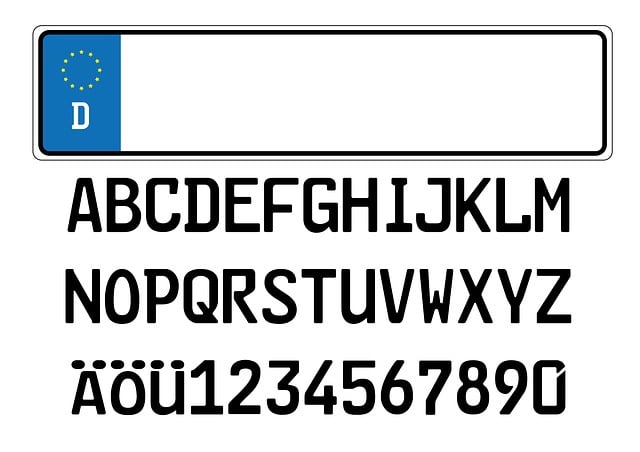
Verifying and installing your new license plates correctly is a crucial step in ensuring your vehicle complies with local regulations and laws. Before hanging them on your vehicle, double-check that all information is accurate and legible. This includes your vehicle identification number (VIN), registration details, and personal information. Any errors or inconsistencies could lead to penalties or issues during traffic stops. It’s also essential to ensure the plates fit properly, aligning with your vehicle’s specifications, including size and design.
When it comes to license plate renewal requirements, many regions offer same-day vehicle registration renewals, allowing for swift updates. Quick Auto Tags, a leading provider of vehicle tag renewal services, facilitates this process by accepting quick auto tags payment methods, enabling customers to complete their renewal in as little as 1-3 business days—a significant time-saver compared to traditional methods. This efficiency is particularly beneficial when you need new plates urgently due to changes like ownership transfer or a recent vehicle inspection.
For instance, consider the experience of a resident in Riverside who recently acquired a classic car. Instead of navigating bureaucratic procedures, they could rely on same-day plate renewal services, ensuring their beloved vehicle was legally registered promptly. This streamlined approach not only saves time but also enhances peace of mind, knowing your vehicle is in compliance with local laws. By embracing modern solutions like these, you can efficiently manage license plate renewals, keeping your automotive affairs organized and stress-free.
By understanding the license plate renewal process, gathering the required documents, and adhering to your state’s specific License Plate Renewal Requirements, you can efficiently order new plates both online or in-person. Verifying and correctly installing your new license plates ensures compliance with legal obligations and promotes a smooth, swift renewal experience. This authoritative guide equips you with the knowledge to navigate the process confidently, emphasizing practical next steps for prompt action.

